Welcome to Chimära
Your Destination for mobile Canine and Equine Physiotherapy!
I'm Timea, and I'm delighted you've found my website. As a certified animal physiotherapist, I'm dedicated to the well-being of your cherished four-legged friend.


Why Animal Physiotherapy?
Manual Therapy:
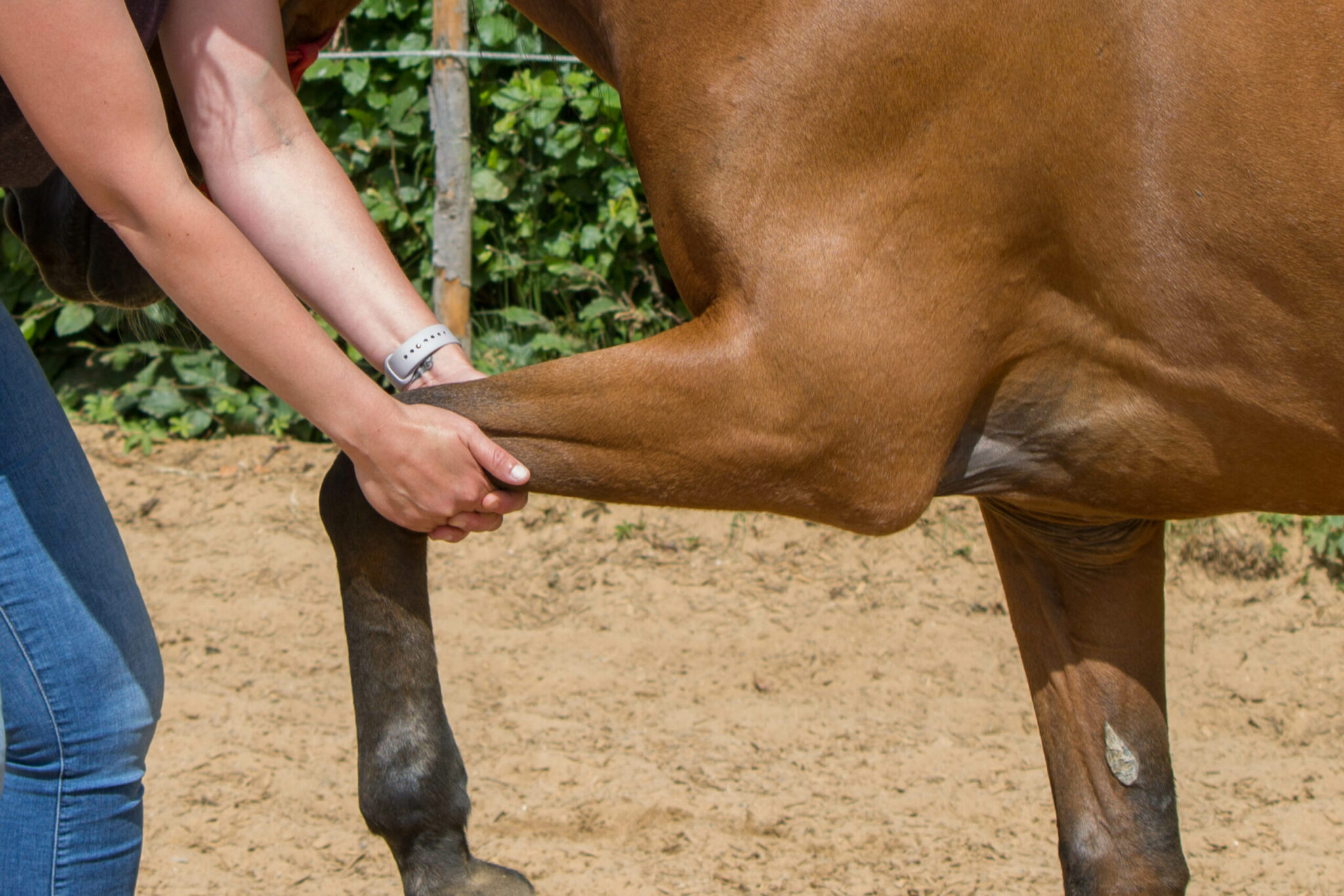
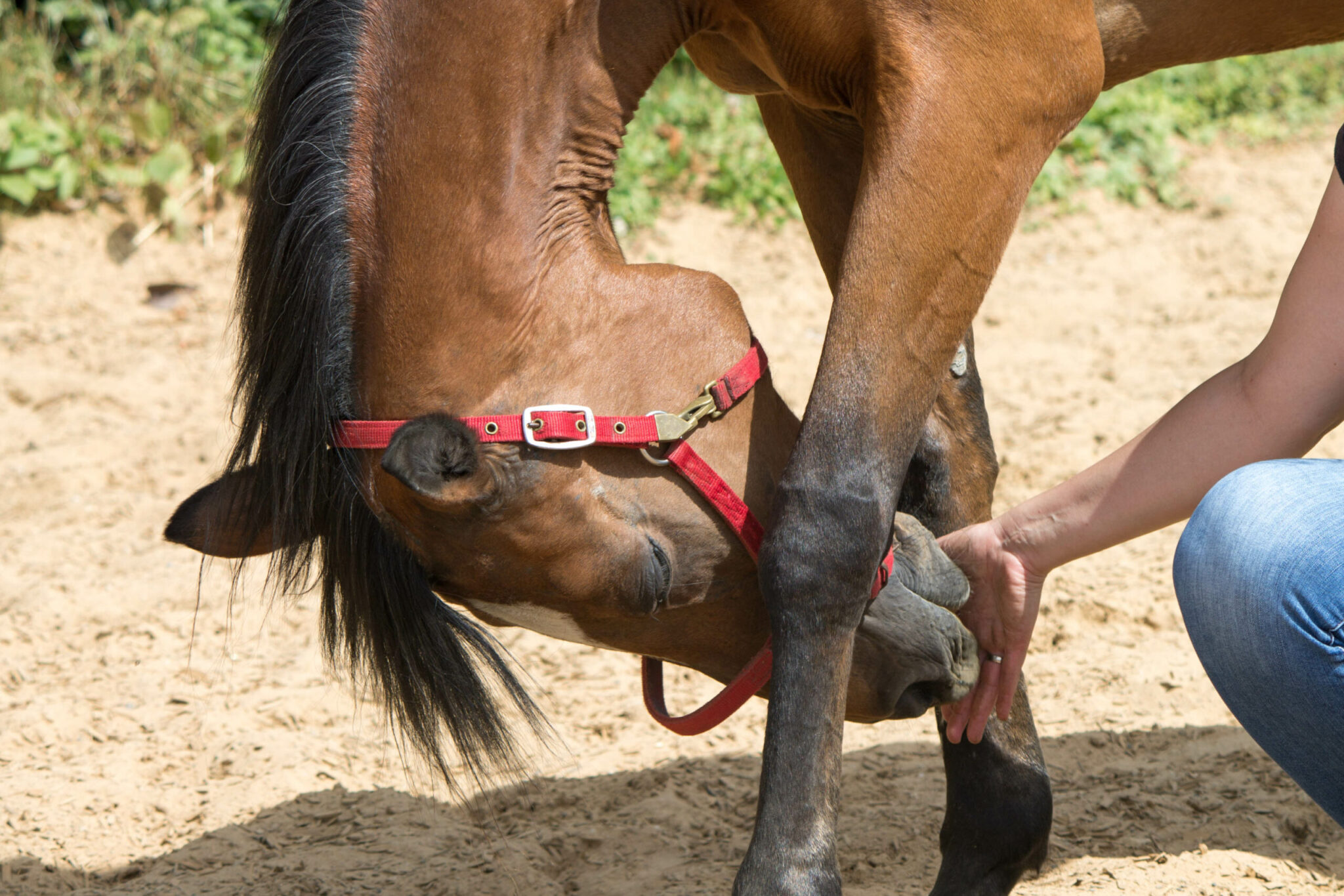
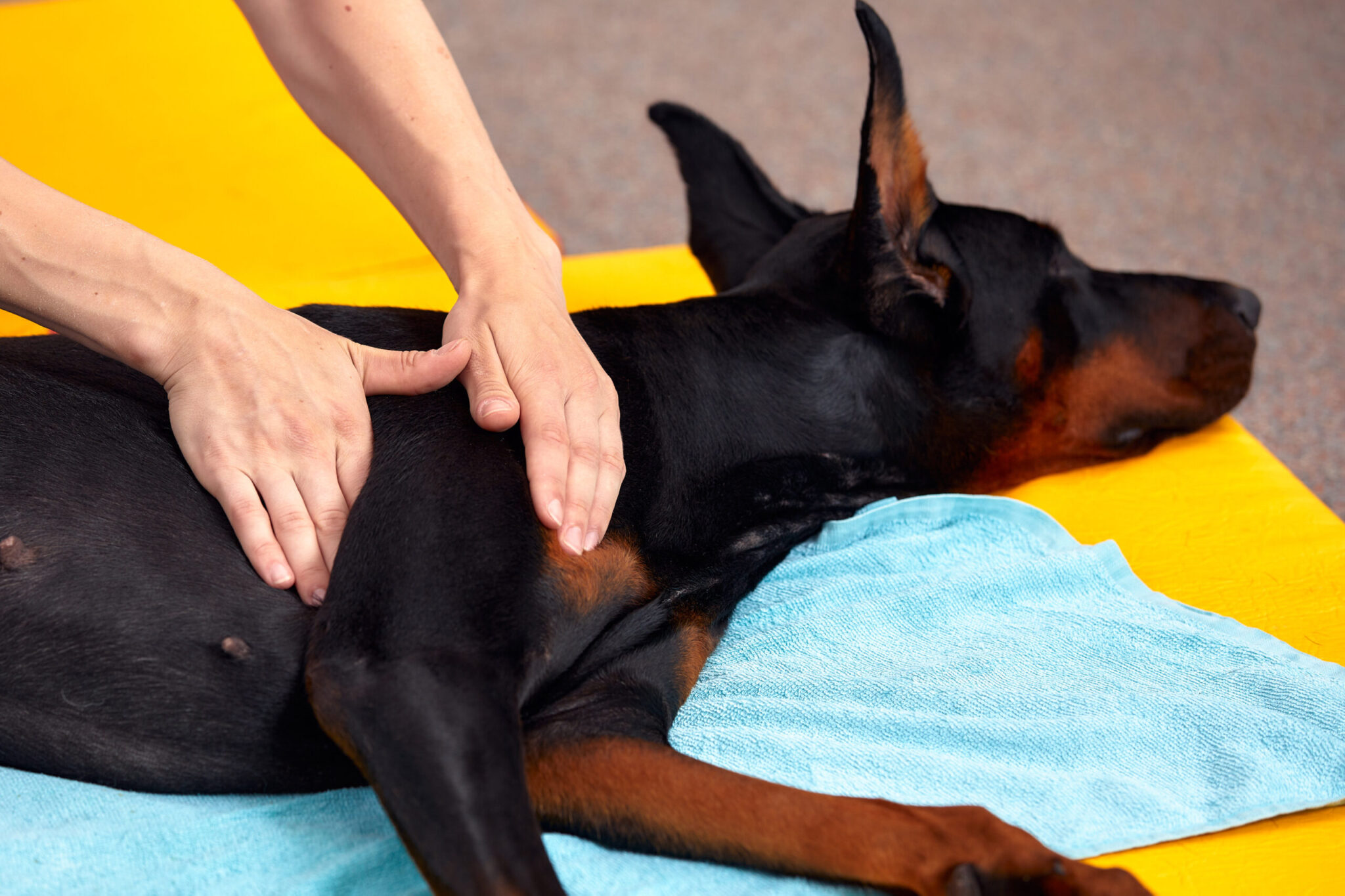
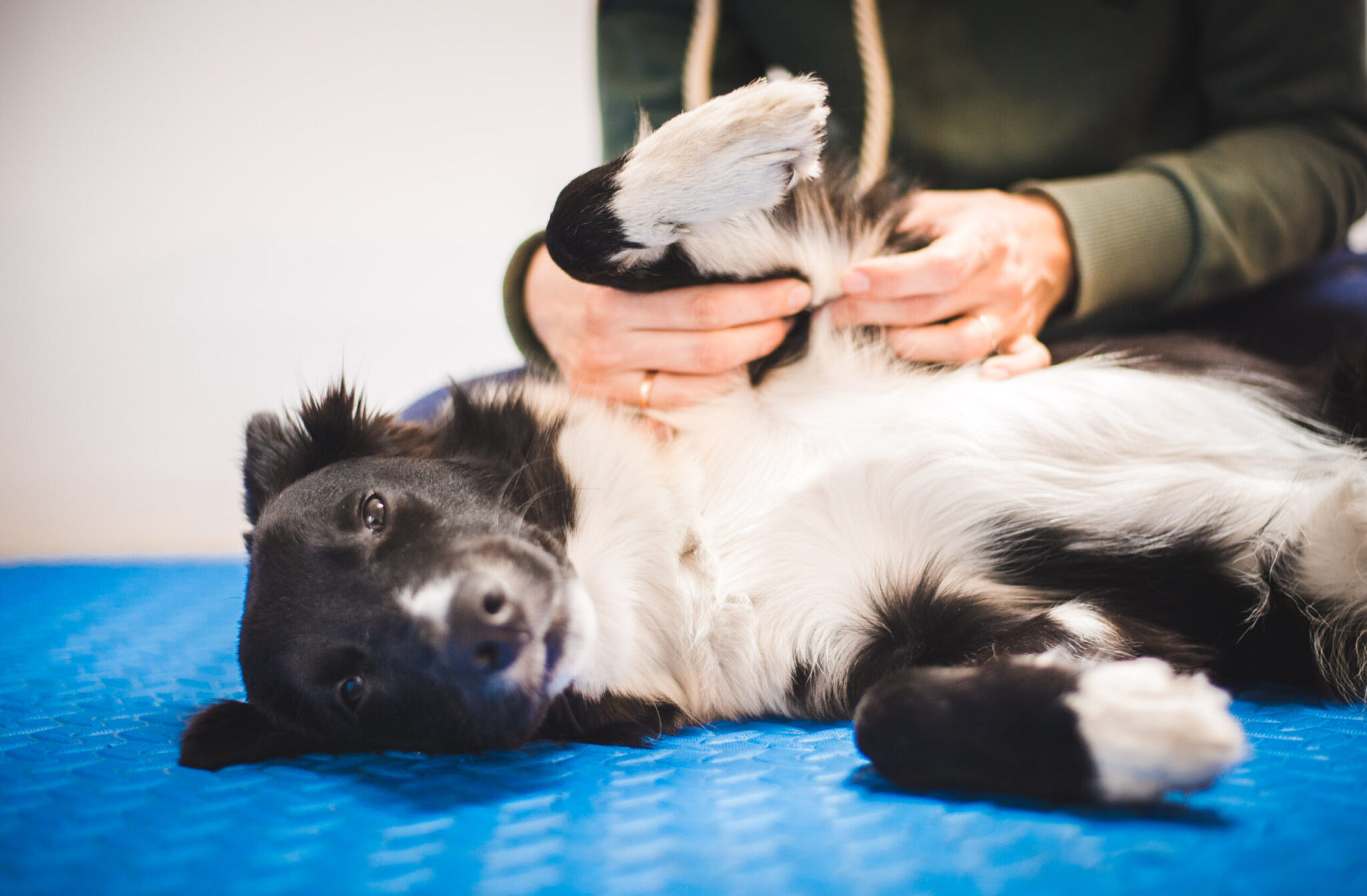
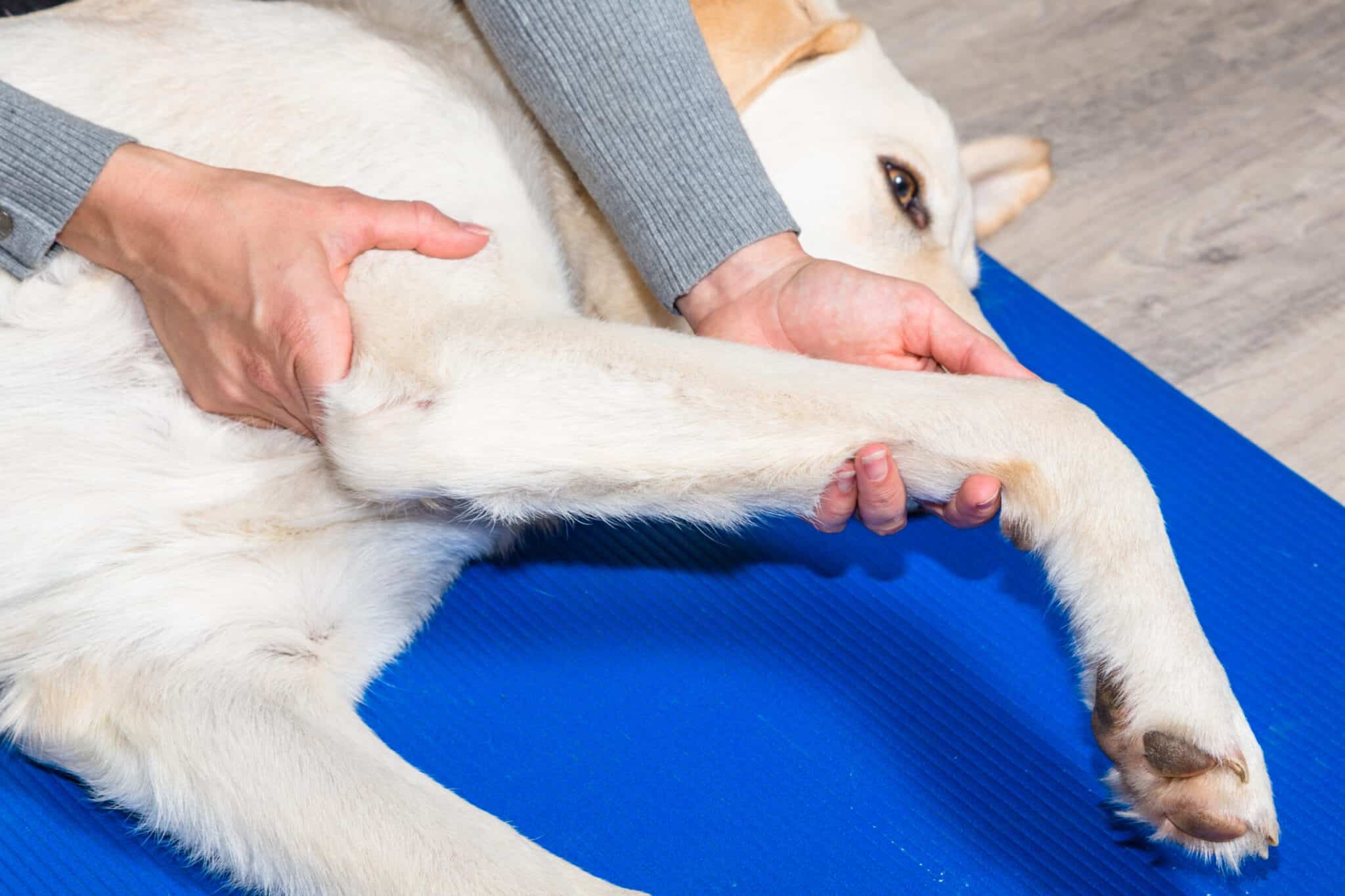
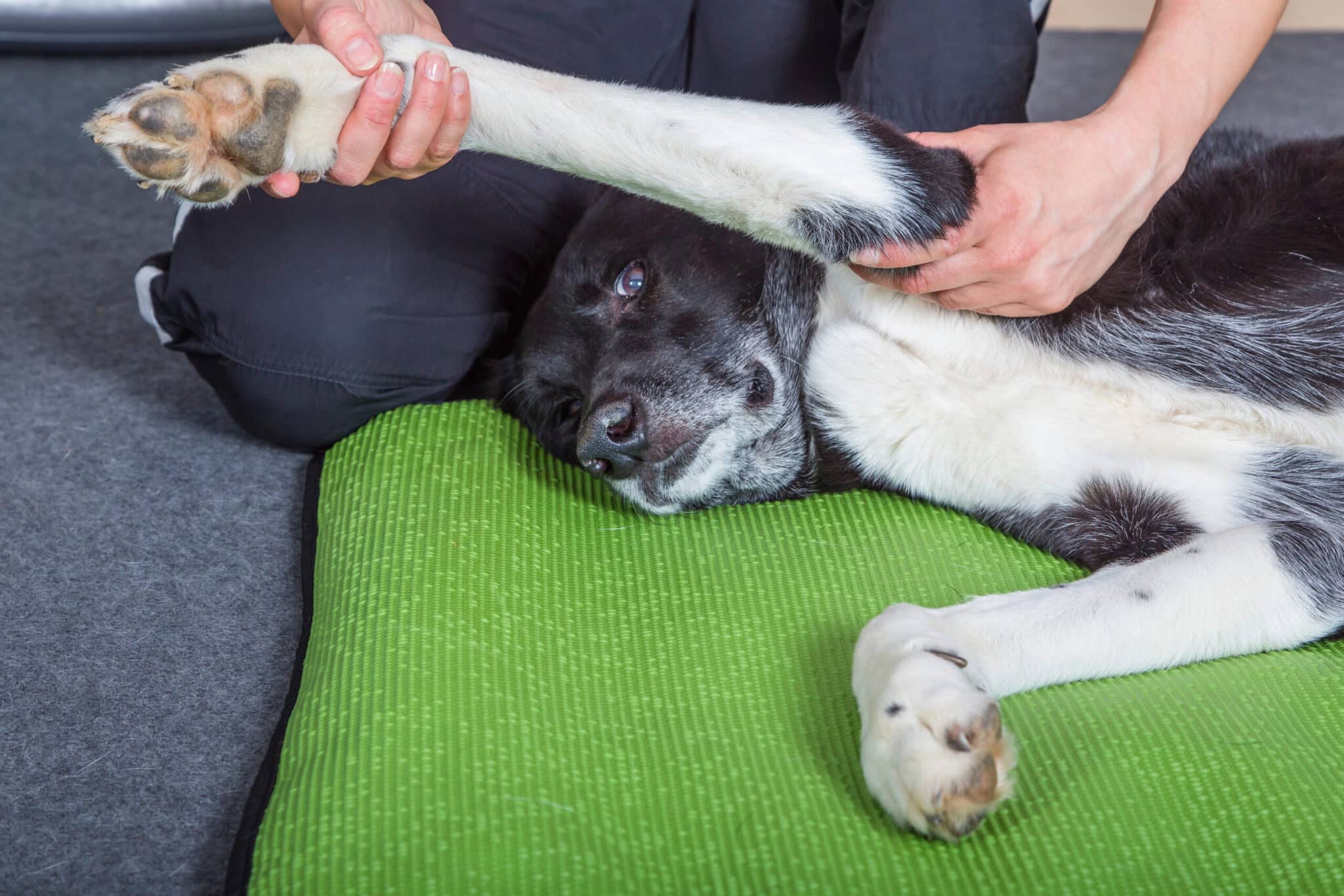
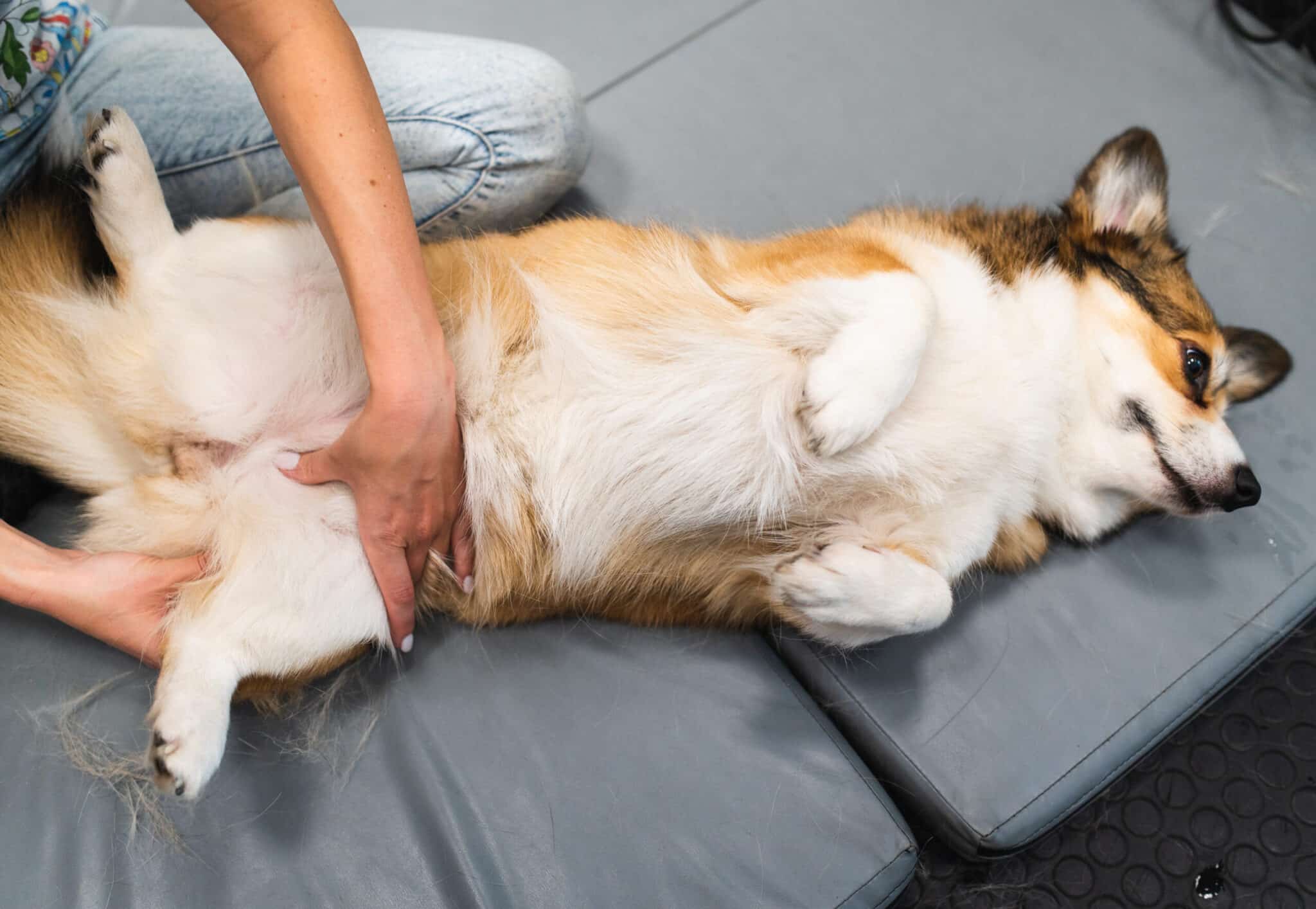
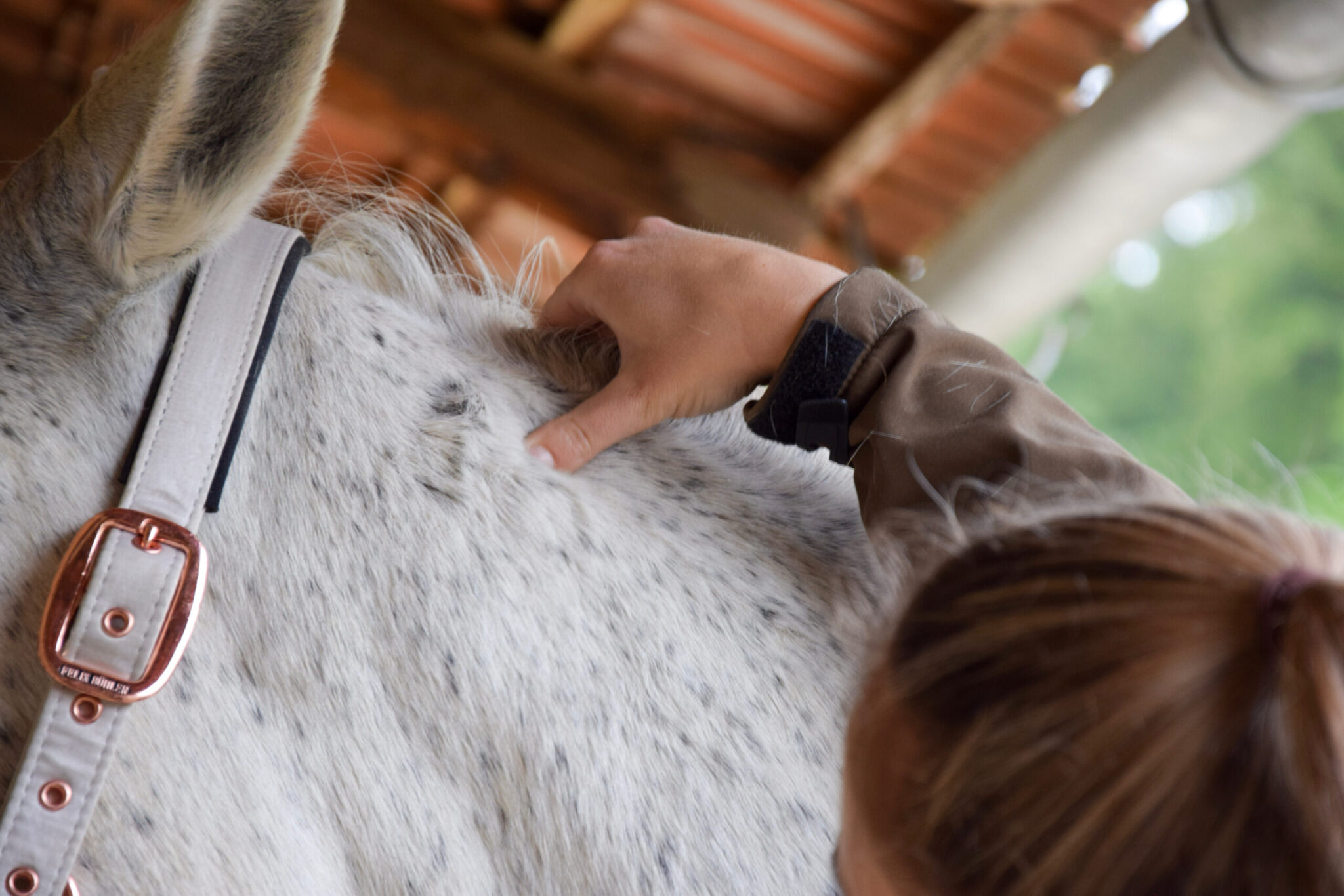
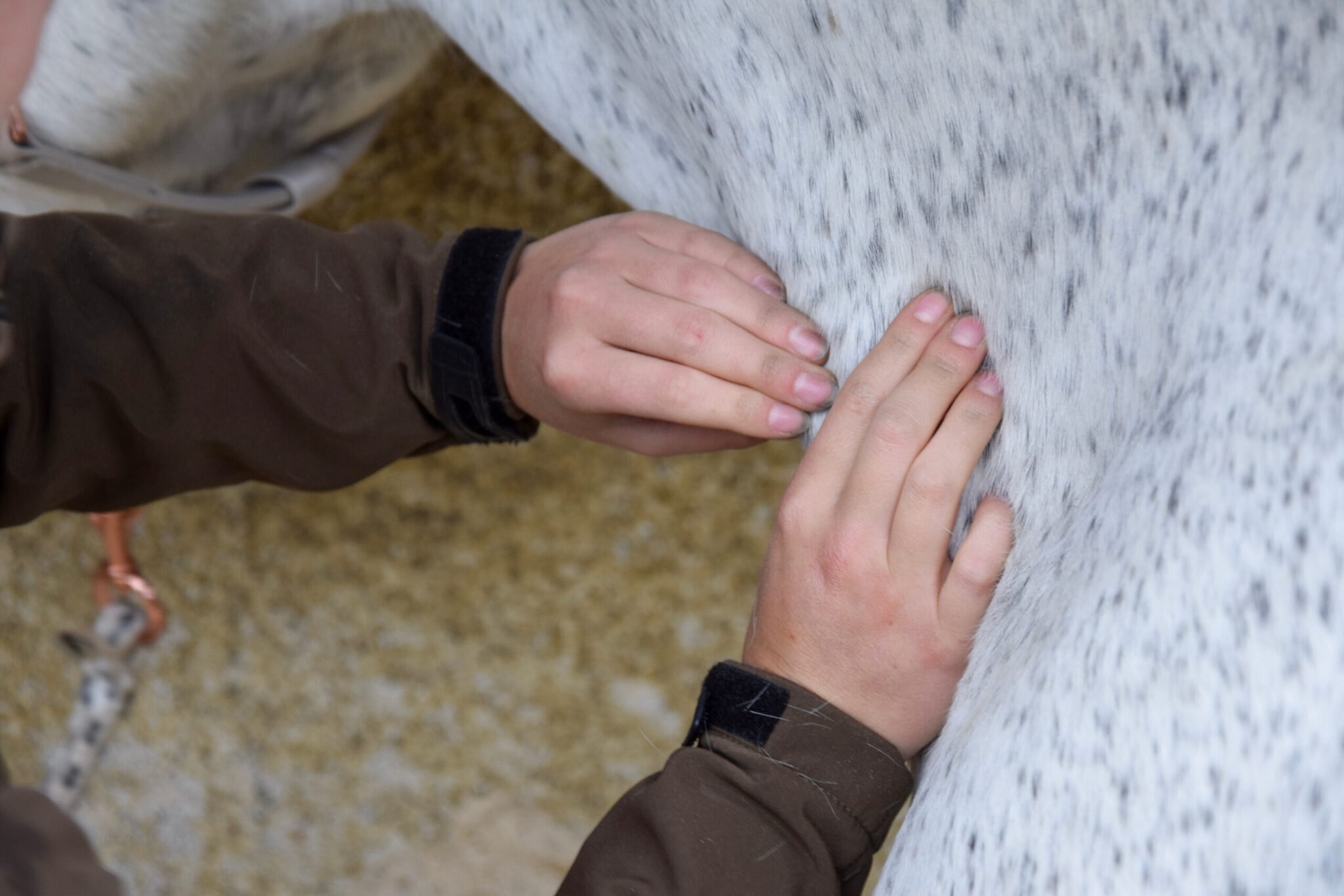
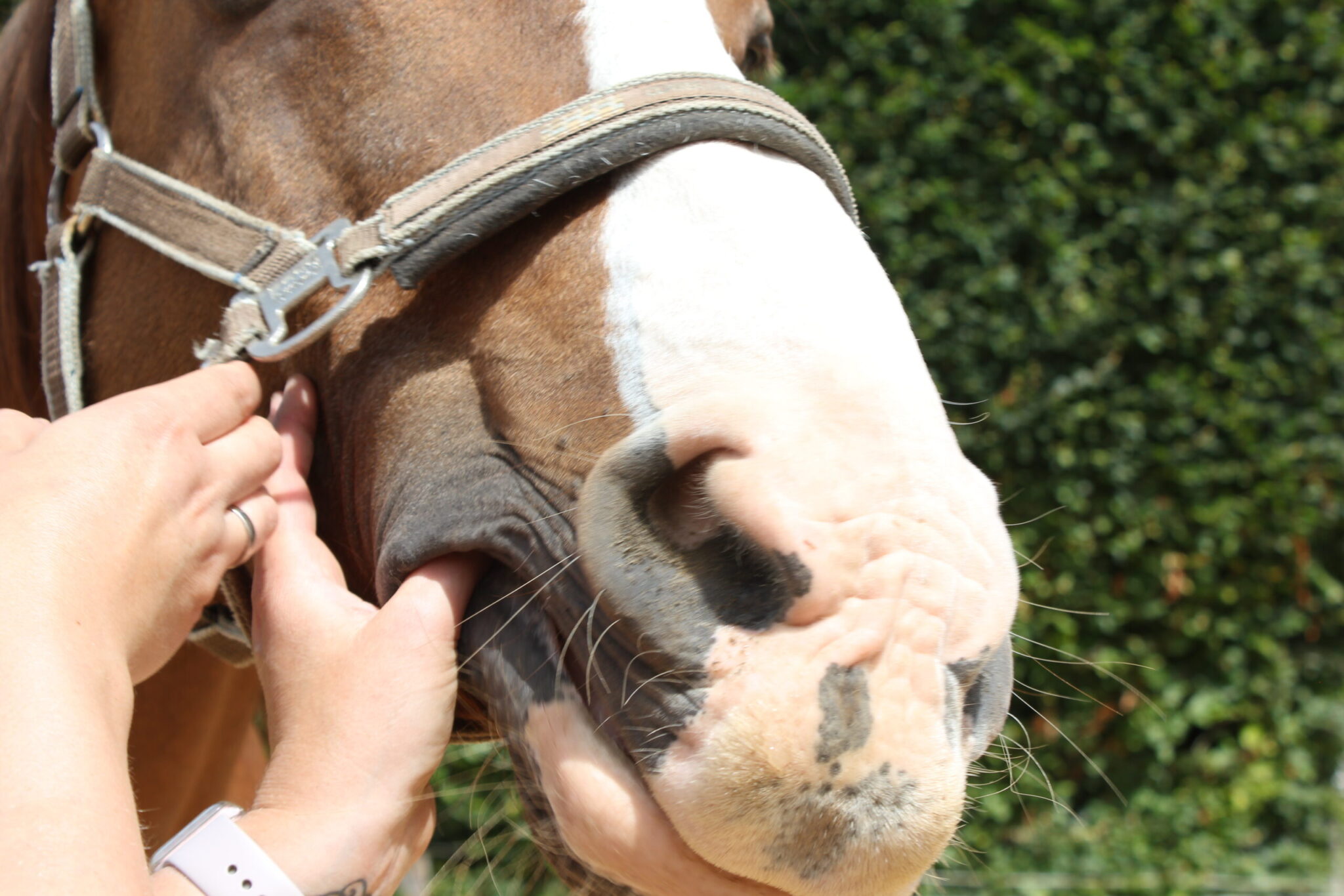
Manual therapy is a core component of my physiotherapy treatments. Using targeted techniques such as gentle massage, mobilization, and stretching, manual therapy naturally alleviates many of your animal’s discomforts – whether it be joint diseases, muscle tension, or restricted movement. It reduces pain, improves mobility, and promotes the healing process.
Each animal is unique. Therefore, I tailor every treatment individually to your beloved companion’s needs and take the time to build a trusting relationship.
Sometimes, manual therapy alone is not sufficient to address all complaints. In such cases, I combine it with other physiotherapy modalities such as laser- or electrotherapy to optimally support the healing process.
Electrotherapy:
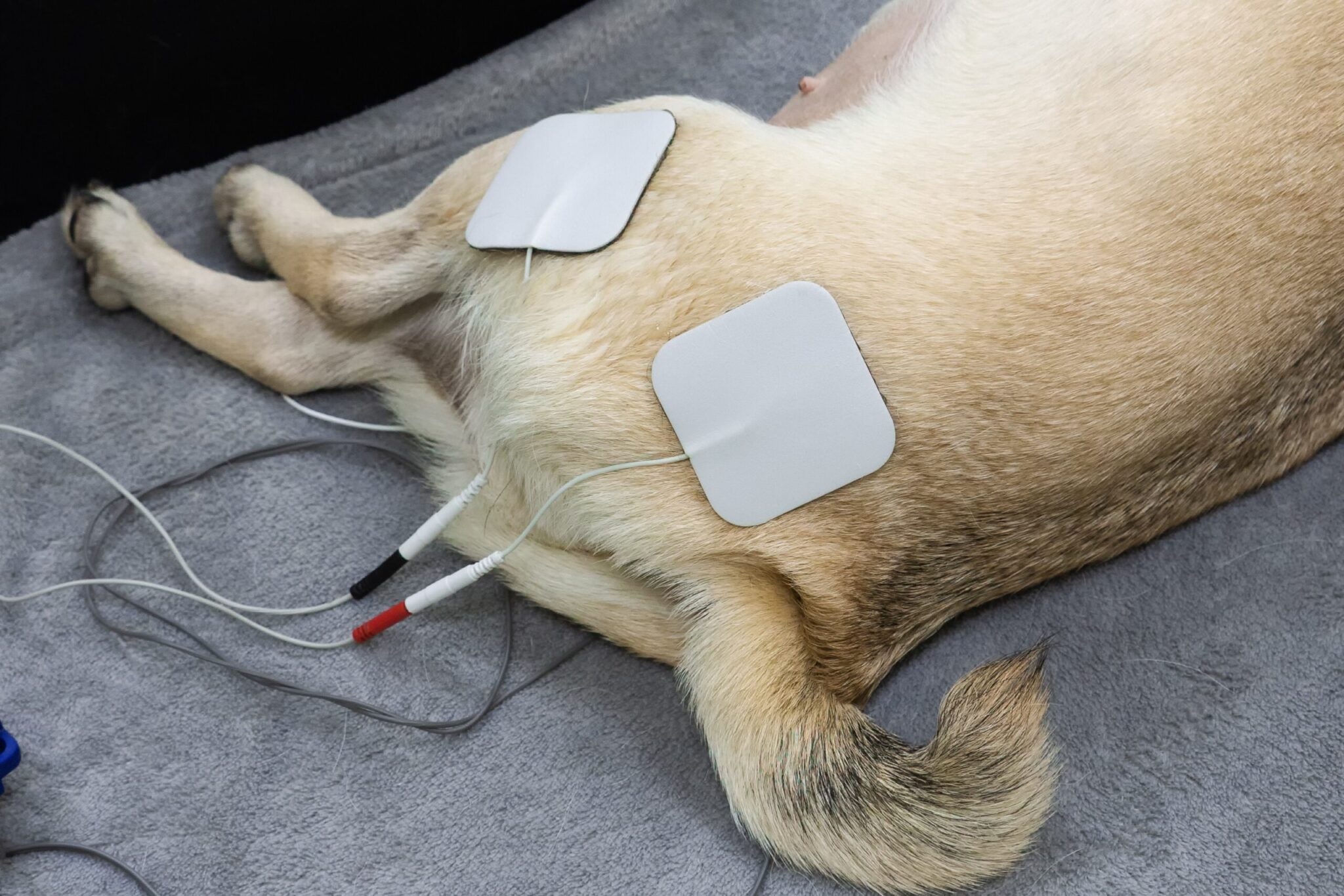
Electrotherapy (TENS/EMS) is a proven and gentle method of animal physiotherapy that works with electrical impulses. It is generally very well tolerated by animals and is a pain-free way to treat a variety of ailments.
Whether after surgery, for chronic pain, or for rehabilitation – electrotherapy can be used in many areas:
- Peripheral Paralysis: Supporting nerve function and promoting muscle activity.
- Pain Relief: Reducing pain by stimulating nerves and releasing endorphins.
- Muscle Atrophy: Preventing and treating muscle atrophy through targeted muscle stimulation.
- Muscle Building: Strengthening muscles through targeted stimulation and promoting muscle growth.
In electrotherapy, electrodes are placed on the animal’s skin, through which gentle electrical impulses are passed. These impulses can have various effects, depending on the type of therapy used (TENS or EMS):
- TENS (Transcutaneous Electrical Nerve Stimulation): This stimulates the nerves, which can lead to pain relief.
- EMS (Electrical Muscle Stimulation): This stimulates the muscles, which leads to muscle contraction and thus muscle building.
Laser Therapy:
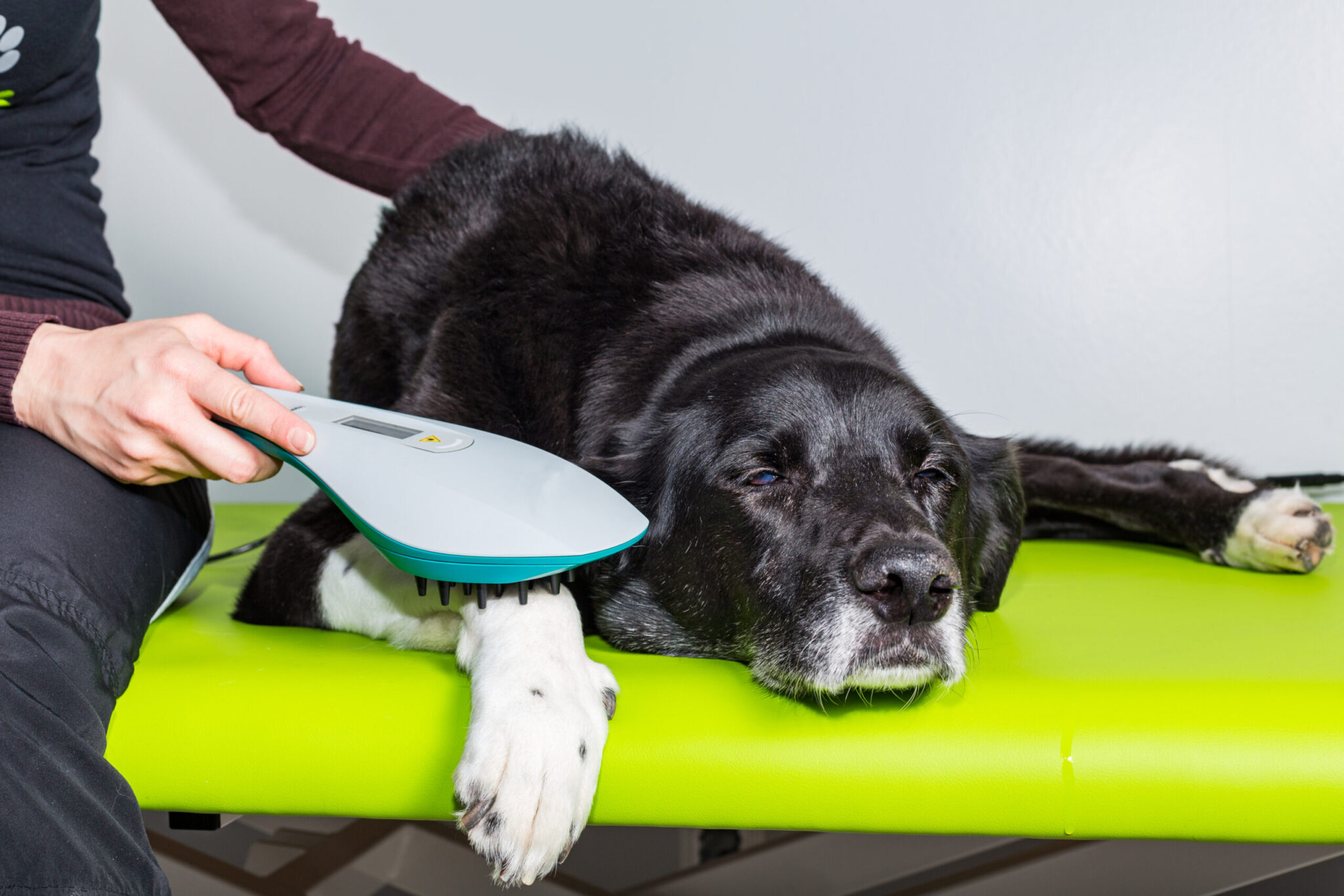
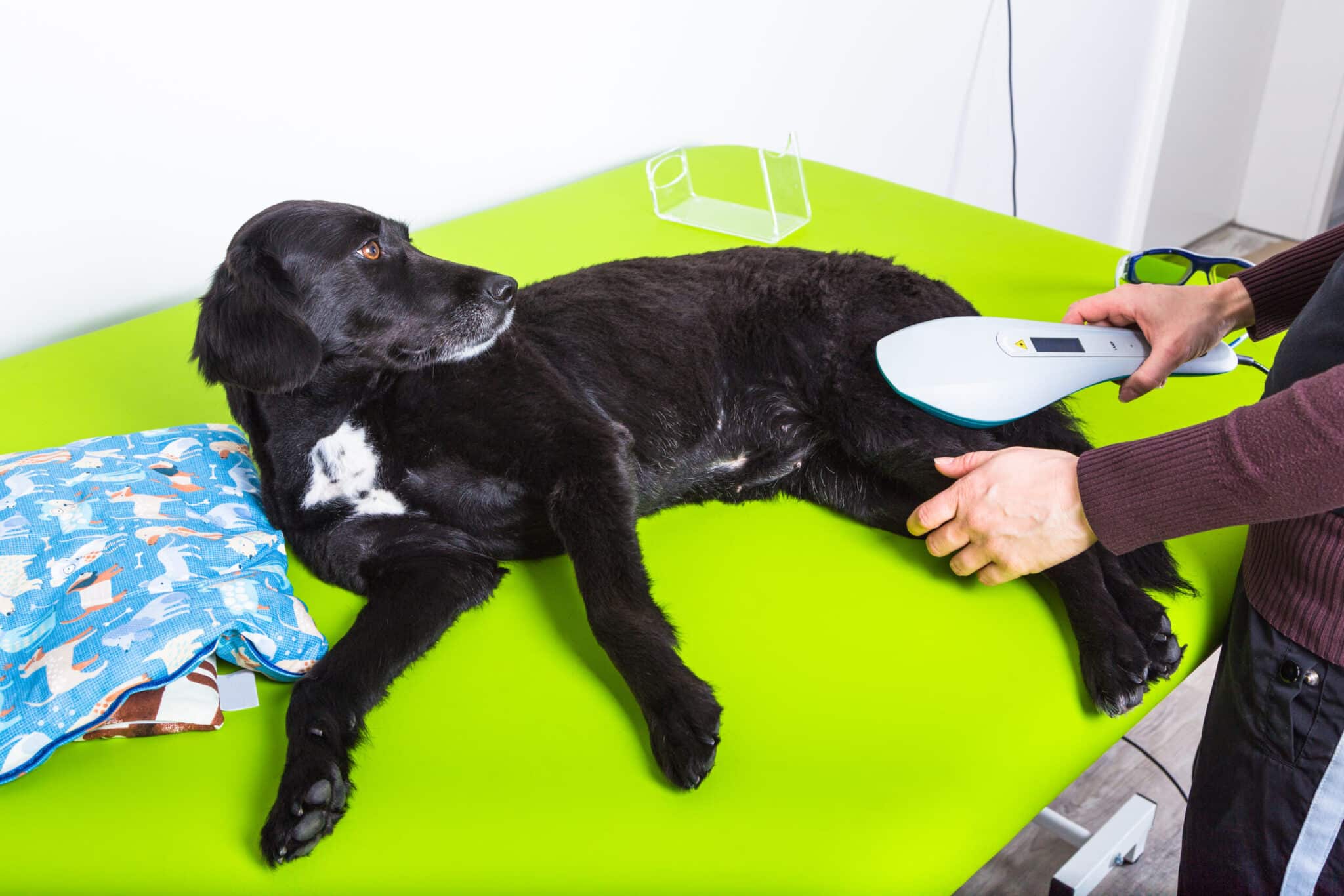
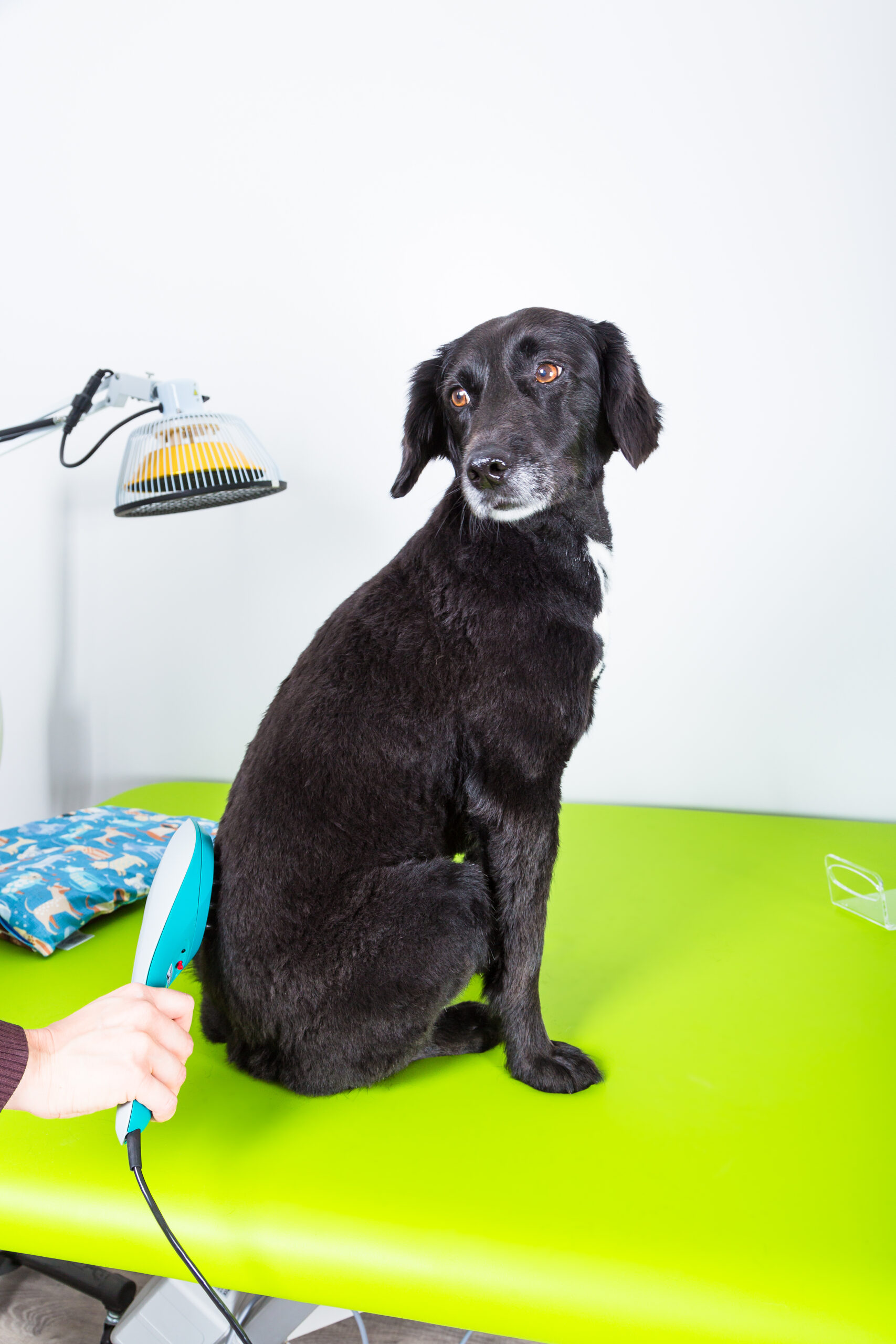
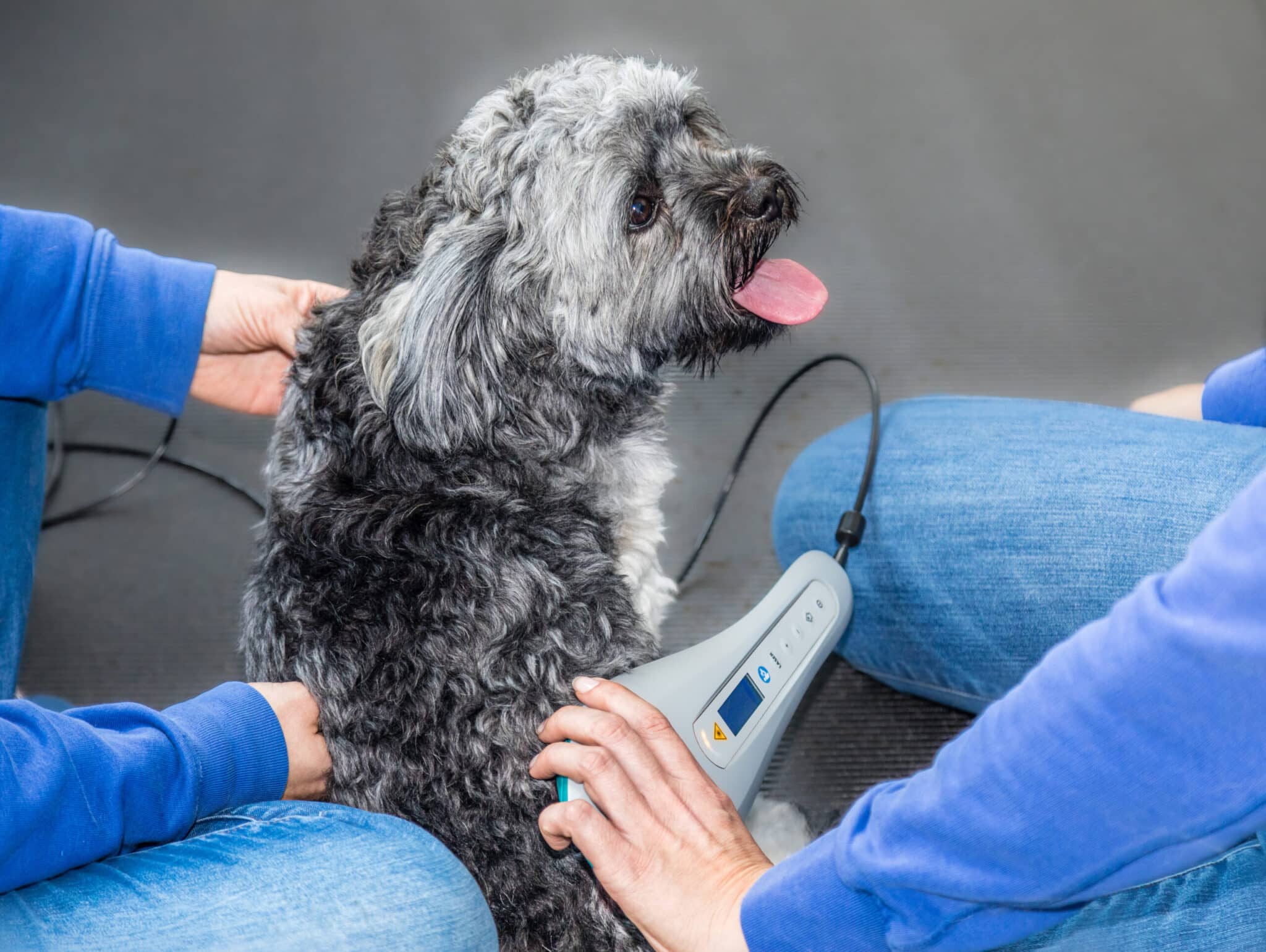
Laser therapy is a modern, gentle, and versatile treatment method in veterinary medicine. Painlessly and gently, laser light stimulates the body’s self-healing powers and has an anti-inflammatory effect.
Laser light penetrates deep into the tissue, improves cell function, accelerates healing, stimulates metabolism, promotes blood circulation, and reduces pain.
I use MKW medical laser technology specifically for the following conditions:
- Joint Diseases: Osteoarthritis, arthritis, and other joint problems.
- Muscle Diseases: Muscle tension, strains, and muscle atrophy.
- Injuries: Wound healing disorders, tendon and ligament injuries.
- Scar Treatment: Reducing scar tissue and improving skin texture.
- Inflammation: Acute and chronic inflammation in the musculoskeletal system.
Benefits of Laser Therapy:
- Pain-Free: The treatment is completely pain-free for your animal and is generally well tolerated.
- Gentle: It is a non-invasive method that has no side effects.
- Effective: Laser light can accelerate healing processes and reduce pain.
The Benefits of Animal Physiotherapy at a Glance:
- Pain Relief: Targeted techniques can reduce or even eliminate pain.
- Healing Promotion: Physiotherapy supports the natural healing process and accelerates recovery from injuries or surgeries.
- Improved Mobility: Stiffness and restricted movement can be alleviated, allowing your animal to rediscover the joy of movement.
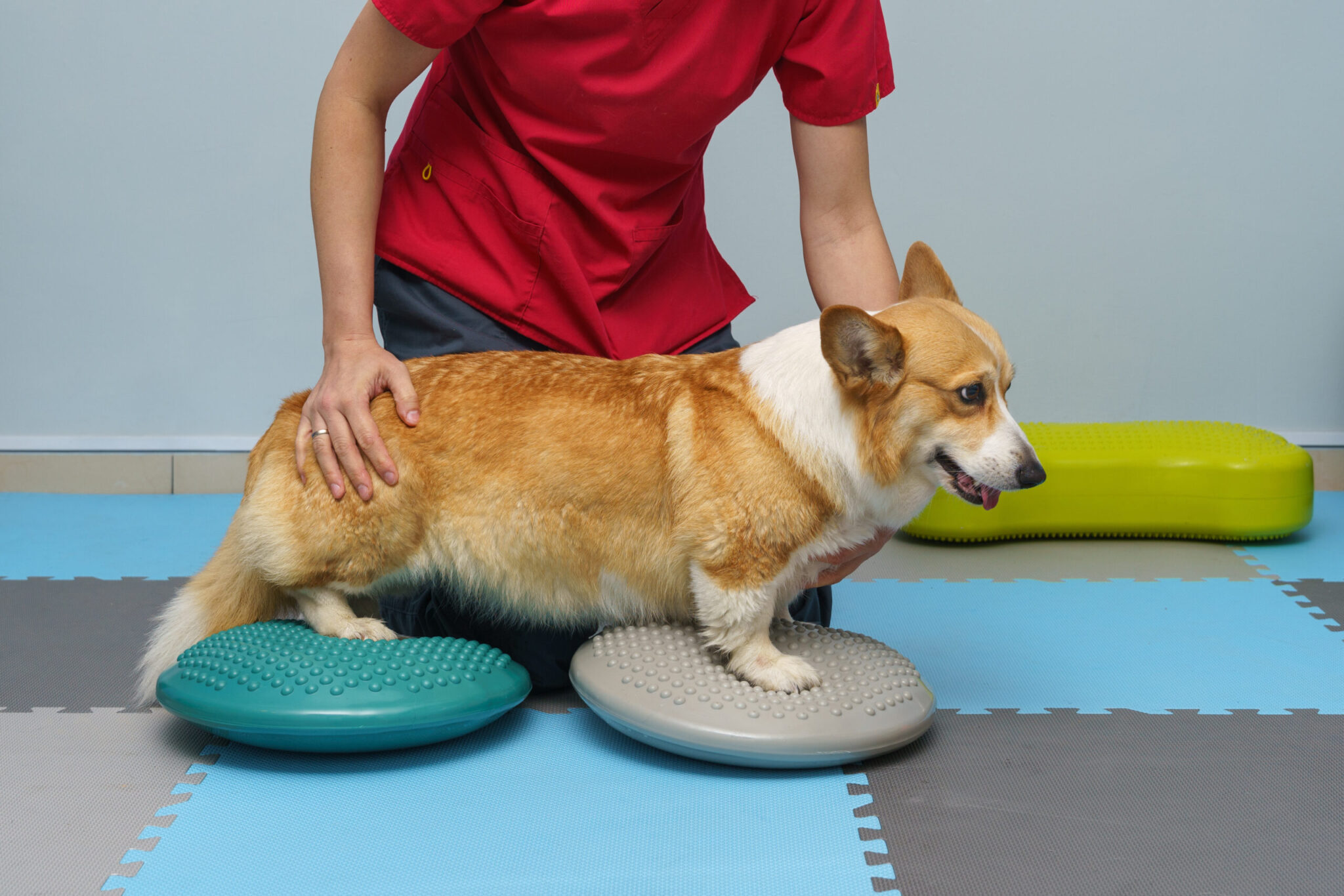
- Muscle Strengthening: Specific exercises build and strengthen muscles, contributing to stability and preventing further issues.
- Quality of Life Maintenance: Even in old age or with chronic conditions, physiotherapy can significantly enhance your animal’s quality of life.
When Is Animal Physiotherapy Beneficial?
- Post-Surgery: For rehabilitation and functional recovery.
- Injuries: Strains, bruises, or other traumatic events.
- Arthritis: To relieve pain and improve mobility.
- Neurological Conditions: Support for rehabilitation and functional improvement.
- Prevention: To prevent injuries and maintain health.
Important Notes:
Veterinary Consultation Before Physiotherapy:
Your animal’s health is my priority. Therefore, it is important to know: Animal physiotherapy does not replace a veterinarian’s diagnosis. Before we start any physiotherapy treatment, you should definitely consult a veterinarian if your animal is suffering from pain, lameness, or other discomforts.
Please Bring All Veterinary Findings:
For optimal physiotherapy treatment, it is helpful if you bring all veterinary findings (X-rays, MRI scans, etc.) and any prescriptions from your veterinarian. This allows me to get a comprehensive picture of your animal’s situation and tailor the treatment accordingly.
Reimbursement by Health Insurance:
In some cases, health insurance companies cover the costs of your animal’s physiotherapy treatment. However, since the conditions for this can vary, I recommend that you inquire directly with your insurance company about whether and to what extent the costs are covered in your specific case.
Prices:
I am happy to travel to you and your four-legged friend. Within the 13089 area and up to 7 km into the city and 25 km outside of the city, the travel is “included”; beyond that, I calculate €0.50 per km.

Dogs:
For a relaxed and stress-free treatment of your pet, I come to your home. This allows your animal to relax best in its familiar environment. You can find out what to expect for you and your animal during a treatment in the following section.
I look forward to helping your animal! Here is an overview of my prices:
- Initial Treatment (duration approx. 60-90 minutes): €110
- The initial treatment includes a detailed anamnesis, a comprehensive examination, and the first physiotherapy treatment.
- Follow-up Treatments:
- 60 minutes: €90
- 45 minutes: €60
- 30 minutes: €50
Of course, all therapy-related equipment is included in the treatment prices. You can find out what to expect for you and your animal during a treatment in the following section.
- Laser and Electrotherapy: €25 per session
- Further Treatments:
- Price upon request: For special treatments not listed here, I will gladly provide an individual offer.
Important Information on Reimbursement:
Some insurance companies may cover the costs of your animal’s physiotherapy treatment. Please inquire directly with your insurer to find out if and under what conditions the costs are covered in your case.

Horses:
I look forward to helping your animal! Here is an overview of my prices:
- Initial Treatment (duration approx. 60-90 minutes): €150
- Follow-up Treatments (duration approx. 60 minutes): €120
Of course, all therapy-related equipment is included in the treatment prices. You can find out what to expect for you and your animal during a treatment in the following section.
- Laser and Electrotherapy: €25 per session
- Further Treatments:
- Price upon request: For special treatments not listed here, I will gladly provide an individual offer.
Important Information on Reimbursement:
Some insurance companies may cover the costs of your animal’s physiotherapy treatment. Please inquire directly with your insurer to find out if and under what conditions the costs are covered in your case.
Important Information on Reimbursement:
Some insurance companies may cover the costs of your animal’s physiotherapy treatment. Please inquire directly with your insurer to find out if and under what conditions the costs are covered in your case.
What to Expect During a Treatment
The treatment lasts approximately 60-120 minutes, depending on the animal species.
The first treatment is special – it lays the foundation for a successful therapy. I take ample time for you and your animal to get to know each other and ensure the best possible treatment. Here’s what the process looks like:
- Comprehensive Anamnesis: In the first step, I record your animal’s medical history. This includes gathering general information, current complaints and symptoms, as well as existing veterinary diagnoses and findings (please bring these with you, if available).
- Assessment: I get an initial impression of your four-legged friend’s appearance.
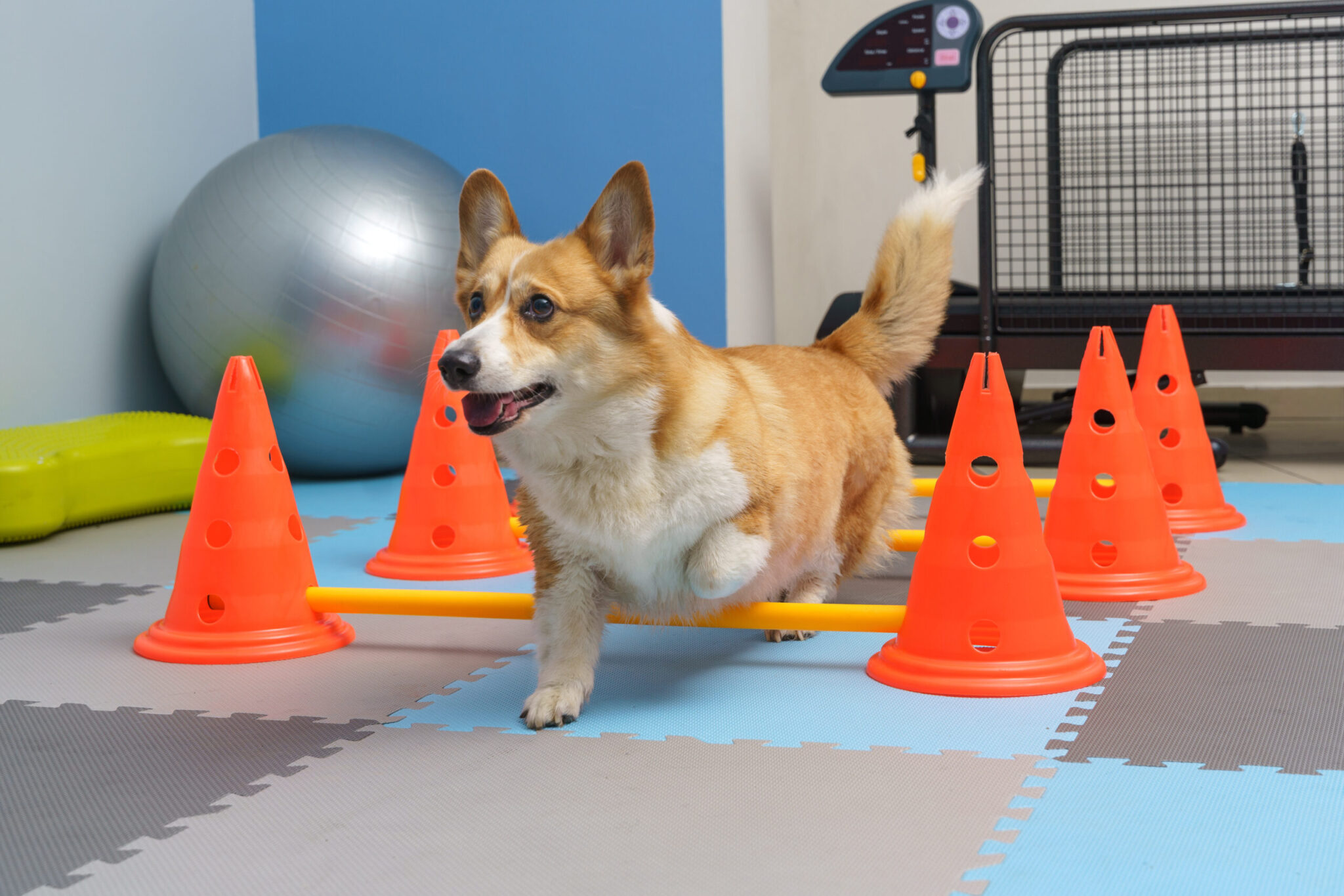
- Gait Analysis: I observe your animal’s movements in various gaits (walk and trot, led by hand for horses, possibly on a lunge line or under saddle. For dogs, also in a sitting position and movement in a circle).
- Palpation: I palpate your animal’s entire body to find tension, pain points, or other abnormalities.
- Joint Function Testing: I specifically examine your animal’s joints and muscles to identify possible movement restrictions or pain.
- Treatment: Based on the examination results, I apply appropriate manual techniques and/or therapeutic aids to alleviate your animal’s discomfort and promote the healing process.
Following the initial treatment, I create an individual therapy plan for your animal, which I discuss with you in detail. In doing so, I consider your animal’s specific needs, your wishes, and your veterinarian’s recommendations.
To ensure your animal benefits optimally from the treatment, we usually schedule a follow-up appointment within 4 weeks (if necessary). During this appointment, progress is reviewed, and the treatment is adjusted/applied accordingly.
I know that good preparation can greatly contribute to your dog feeling comfortable during physiotherapy and the treatment being optimally effective. That’s why I’ve put together some tips for you and your four-legged friend to help you prepare for the treatment.
Before the Appointment:
- Feeding: Please do not feed your dog 2-3 hours before the examination so that it does not come to the treatment with a full stomach. An empty stomach is more comfortable for the subsequent treatment.
- Walk: Ensure your dog has the opportunity to relieve itself shortly before the appointment. However, please avoid long, strenuous walks, as your dog should be relaxed and rested. A relaxed four-legged friend is usually more cooperative during the treatment.
- Medication List: If your dog regularly takes medication, please create a list with the medication names, dosage, and time of administration. This information is very important for me to optimally tailor the treatment to your dog’s needs.
- Veterinary Records: Please bring all available veterinary findings, X-rays, MRI scans, or diagnoses that may be relevant to the therapy. The more information I have, the better I can plan and carry out the treatment.
- Note Any Abnormalities: Observe your dog carefully and note any noticeable changes that you have observed recently. These include lameness, reluctance to move, pain, or other unusual behaviors. Please share these observations with me so that I can take them into account during the treatment.
During the Appointment:
- For a Good Feeling: A familiar toy or blanket can help your animal feel more comfortable during the treatment.
- Time for Us: Please plan sufficient time for the treatment. This allows us to discuss all important points in a relaxed atmosphere and carry out the treatment without time pressure.
After the Treatment:
- Rest is Beneficial: After the treatment, your animal deserves some time off. Please give it enough rest for the next 3 days and avoid intensive activities.
- Thirst Quencher: Make sure your dog has enough fresh water available after the treatment.
I want you and your darling to feel completely comfortable with me. With these tips, you can make the treatment as pleasant as possible for your animal friend.
I look forward to meeting you and your four-legged friend and working together for their health!
I want your horse to receive the best possible treatment. Therefore, I kindly ask you not to actively train it before the appointment. This allows me to get an accurate picture of its complaints and tailor the treatment individually.
Before the Treatment
- Medication List: If your horse regularly takes medication, please create a list with the medication names, dosage, and time of administration. This information is very important for me to optimally tailor the treatment to your horse’s needs.
- Veterinary Records: Please bring all available veterinary findings, X-rays, MRI scans, or diagnoses that may be relevant to the therapy. The more information I have, the better I can plan and carry out the treatment.
- Note Any Abnormalities: Observe your horse carefully and note any noticeable changes that you have observed recently. These include lameness, reluctance to move, pain, or other unusual behaviors. Please share these observations with me so that I can take them into account during the treatment.
During the Treatment
- Natural State: Please refrain from grooming your horse before the treatment, as this can stimulate blood circulation and affect the animal’s condition. A few natural “horse marks” are perfectly fine.
- Oasis of Well-Being: A calm and stress-free environment is essential for successful treatment. Ensure your horse can relax during the treatment.
- Time for Us: Please plan sufficient time for the treatment. This allows us to discuss all important points in a relaxed atmosphere and carry out the treatment without time pressure.
After the Treatment
- Rest is Beneficial: After the treatment, your animal deserves some time off. Please give it enough rest for the next 3 days and avoid intensive activities.
How to Proceed
- Observe: Observe your horse carefully in the days following the treatment and note any changes in behavior or movement. Do not hesitate to contact me if you notice anything.
Schedule Follow-up Appointments: Every patient is unique and requires individual treatment. In some cases, multiple appointments are necessary to achieve optimal results. I will create a personal treatment plan for your animal, and we will schedule the next appointments together to best fit your schedule.
About Me:
From a Mind-Driven to a Heart-Centered Path
– My Journey to Animal Physiotherapy–
Do you ever get that feeling when your heart burns for something, but your mind leads you down a different path? That’s how I felt for a long time. After completing my business studies and pursuing an exciting career in finance and supply chain management, I was successful in the world of numbers and processes. Yet, deep in my heart, the passion for animals always remained.
Dogs, cats and horses were my loyal companions, and today, a proud Maine Coon cat and my own horse enrich my life. This special connection between humans and animals, this unconditional love and affection – that’s what truly fulfills me.
About three years ago, I reached a point where I asked myself: Where can I truly make a difference? The answer was clear: with the animals who rely so heavily on us humans.
For this reason, I decided to realign my life and follow my true calling. With great joy and dedication, I completed a thorough, two-year training program at the Academy for Animal Naturopathy (ATM). Today, I am a certified animal physiotherapist, and I can’t wait to help my four-legged patients and enable them to live better lives.
I look forward to meeting you and your animal!
Warmly,
Timea

Contact
Opening Hours:
Monday to Friday: 10 a.m. to 7 p.m.
Appointment by appointment
- Timea Marciniak - Tóth
- Straße 31 2D, 13089 Berlin
- +49 176 60863630
- hello@chimaera-tierphysio.de
